
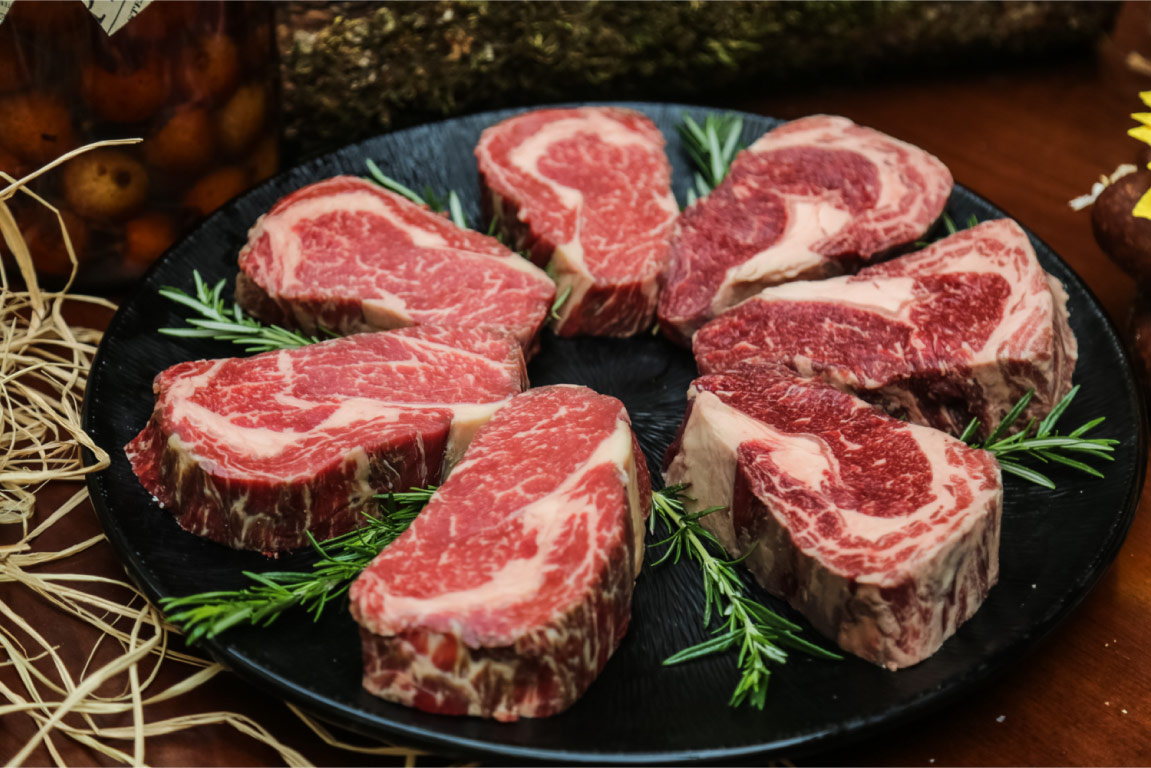
Across the world, consumers are asking harder questions about where their food comes from. They want cleaner meat, fewer chemicals, and a story behind the product. That’s exactly where Kenyan grass-fed meat is stepping into the spotlight — and gaining the attention it deserves.
We’ve seen the shift happening firsthand. Whether we’re speaking with buyers from the Middle East, chefs in Europe, or retailers here at home, the demand for naturally raised, hormone-free beef keeps growing. At Juja Abattoir, we’ve made it our mission to meet that demand by processing and promoting some of the best grass-fed meat Africa has to offer.
Our Advantage Begins on the Land
Kenya’s geography gives us a natural edge. Our livestock is raised on open grazing lands — vast, untamed rangelands in regions like Kajiado, Laikipia, and Garissa. These are not industrial farms. They’re open pastures where cattle feed on native grasses, herbs, and shrubs.
This traditional system is what gives our beef its distinct quality. The meat is leaner, the flavor deeper, and the nutritional value higher — with more omega-3s and fewer saturated fats compared to grain-fed alternatives. We don’t have to rely on growth hormones or artificial feed. Nature does most of the work, and that’s exactly what global consumers are now looking for.
People Want to Know the Story Behind Their Meat
Today’s consumer wants more than just protein. They want to know where their food came from, how the animals were treated, and whether the process was ethical and sustainable. That’s where traceability comes in — and it’s something we’ve made a core part of our operations.
At Juja Abattoir, we work closely with livestock farmers, veterinary officers, and local suppliers to ensure every animal is healthy, documented, and traceable. When meat leaves our facility, we know exactly where it came from, how it was raised, and that it meets the highest health and safety standards. That kind of transparency builds trust — and it’s winning over international markets.
A Growing Market in the Middle East and Beyond
There’s a rising appetite for Kenyan beef in countries like the UAE, Qatar, and Saudi Arabia. Buyers there are looking for grass-fed, halal-certified meat that is both affordable and high quality. Kenya ticks all the boxes.
Our predominantly Muslim livestock communities already follow halal practices at the source, and we maintain those standards at Juja Abattoir. That includes proper handling, clean facilities, and certified slaughter methods. Our systems are in place not just to meet demand but to exceed expectations — and we’re ready to scale.
Farmers Are Benefiting Too
One of the most rewarding parts of this shift is how it’s impacting rural farmers. In the past, many were forced to sell livestock to brokers at unfair prices. Now, with higher demand for quality meat, farmers are finding better deals, more consistent buyers, and access to training and support.
We partner with local producers to ensure they meet health and weight standards, and in return, they get a fair price and a reliable market. It’s a win-win. The quality of livestock improves, our supply chain strengthens, and the economic benefits are shared more equally.
Sustainability Is Built Into Our Model
Grass-fed meat isn’t just better for consumers — it’s better for the planet. Livestock raised on natural pasture has a smaller environmental footprint compared to animals fed on soy and corn, often shipped in from other continents. In Kenya, grazing is already part of the ecosystem. We’re not clearing forests or overfeeding with grain — we’re working with the land, not against it.
At our facility, we’ve taken it further. We manage waste responsibly, use biogas and solar where possible, and reduce water usage with efficient systems. Sustainability isn’t a side project for us — it’s how we do business every day.
What’s Next for Kenyan Meat
Kenyan grass-fed beef is more than a niche product. It has the potential to become a global contender — a premium protein choice for health-conscious, environmentally aware consumers across the world. But to get there, we need continued investment in infrastructure, certification, and logistics.
At Juja Abattoir, we’re ready. We’ve built systems that meet international expectations. We’ve earned the trust of local farmers and global buyers alike. And we’re proud to be at the center of a growing movement that’s putting Kenya on the world meat map — not just as a producer, but as a leader in quality, transparency, and sustainability.
The world is paying attention to what’s happening here. And we believe the best is still to come.


