
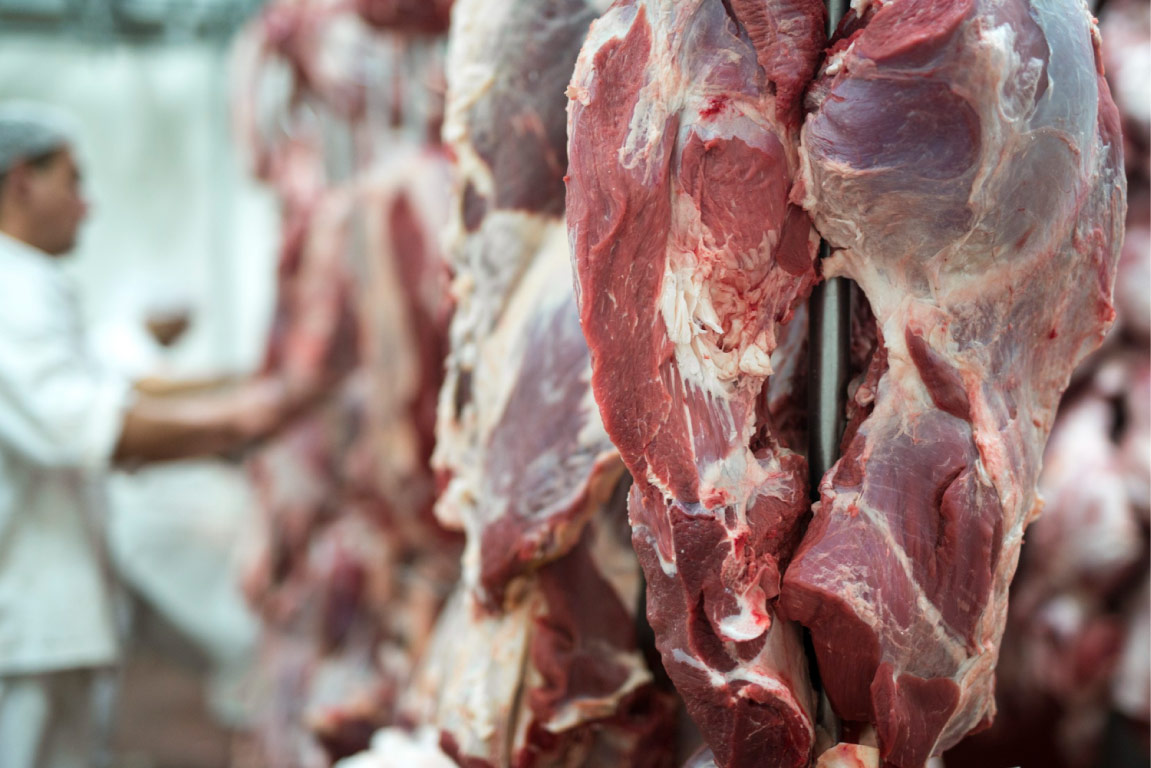
Kenya’s meat industry has long struggled with poor hygiene and weak supply chains—holding back growth and trust. At Juja Abattoir, we’re leading change with safer, smarter, farmer-friendly processing.
We are proud to be part of a new generation of meat processors who are raising standards, improving food safety, and supporting local farmers. Here’s how we are solving Kenya’s meat industry challenges—one step at a time.
We Prioritize Hygiene and Food Safety
From day one, we made hygiene our top priority. We know that consumer trust begins with clean, safe meat. That’s why we operate under strict hygiene protocols in line with international standards, including HACCP (Hazard Analysis and Critical Control Points).
Our staff are regularly trained, our facilities are cleaned and disinfected daily, and we maintain a controlled environment throughout the slaughtering and processing process. We take no shortcuts when it comes to food safety. This commitment has helped us consistently deliver high-quality meat that meets the expectations of both local consumers and premium markets.
We Invested in Modern Infrastructure
We understood early on that to run a world-class abattoir, we needed more than just passion—we needed infrastructure. That’s why we invested heavily in modern slaughter lines, cold storage units, clean water systems, and efficient waste management solutions.
These investments have allowed us to process large volumes quickly and hygienically, reduce spoilage, and maintain meat quality throughout the supply chain. More importantly, we’ve created an environment that meets and exceeds regulatory requirements—positioning ourselves for future growth and potential export opportunities.
We Ensure Livestock Traceability and Quality Control
Traceability is at the heart of food safety, and we’ve taken it seriously. We work closely with veterinary officers and livestock producers to ensure every animal we process is healthy and properly documented.
Through proper tagging, record keeping, and inspection protocols, we’re able to track the origin of each carcass. This not only helps us manage quality but also builds trust with our partners and customers. When you buy meat from Juja Abattoir, you can be confident about where it came from—and how it was handled.
We Support Local Farmers
We know that a strong meat industry starts with empowered farmers. That’s why we’ve built long-term relationships with local livestock producers, offering them fair prices, consistent demand, and access to better market opportunities.
We don’t just buy livestock—we train farmers on best practices in animal health, feeding, and handling. By working together, we’ve helped raise the quality of animals entering our facility, increased incomes in rural communities, and built a stronger, more resilient meat value chain.
We Practice Environmental Responsibility
Sustainability is not just a buzzword for us—it’s part of how we operate. We’ve adopted eco-friendly practices to reduce our environmental footprint and make our operations more efficient.
We treat our wastewater before releasing it, we recycle organic waste into biogas, and we’ve incorporated solar energy into some of our daily operations. These initiatives allow us to minimize pollution, lower energy costs, and do our part in protecting the environment for future generations.
We Are the Future of Meat Processing in Kenya
At Juja Abattoir, we’re not just running a business—we’re leading a movement. We’ve shown that with the right investment, integrity, and vision, it’s possible to deliver high-quality meat while uplifting communities and protecting public health.
We believe our model can be replicated across the country, and we’re committed to helping modernize Kenya’s meat industry. By continuing to innovate, collaborate, and uphold the highest standards, we are confident that the future of meat processing in Kenya is bright—and we’re proud to be at the forefront of that future.


